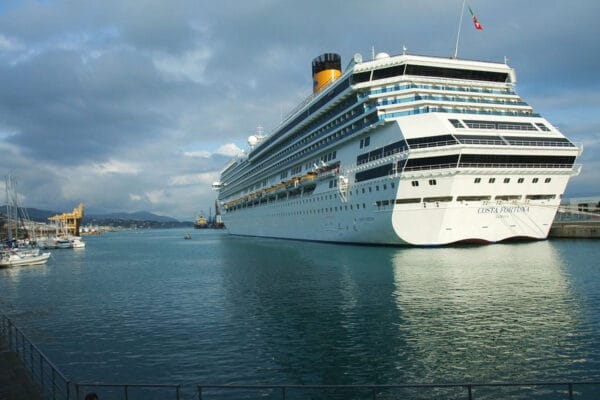
Ship insulation is insulation rated for use in marine applications. Insulation is typically found in the walls and ceilings of a ship, but there are numerous uses for specialized insulation. Insulation also reduces thermal heat, vibration, and noise transfer within and around a ship or offshore equipment. Traditionally, ship insulation has used cork-based products and mineral wool insulation products.
There have been many advances in material science over the past few years. For example, fiberglass-based insulation materials, polyurethane-based materials, aluminum-based insulation materials, etc. Modern and advanced materials offer high-quality insulation properties while also offering better weight performance. Modern insulation materials are also designed to comply with rules and regulations set by the International Maritime Organization. These rules specify thermal, fire, and noise insulation.
What Makes Ship Insulation Different From Normal Insulation?
Ship insulation is not the standard industrial commercial insulation that you would find in a concrete or metal building. A distinguishing feature of ship insulation products is their ability to resist moisture and water. Ship insulation material should not be affected by water, especially salt water.
By default, marine ferries are exposed to a lot of water and moisture. Water and moisture can be directly responsible for the deterioration of many materials, including insulation. Therefore, unlike commercial and residential insulation, ship insulation solutions place much more emphasis on resistance to water-related deterioration. Another way that industrial and ship insulation differ is how ship insulation can play multiple roles. Marine insulation must provide thermal, fire and sound insulation to be effective. Marine insulation has superior thermal and acoustic performance and can also provide noise control.
Typically, the main focus of residential and commercial insulation is to provide effective thermal insulation with some level of fire insulation within a building envelope. However, in a marine environment, the insulation material must be insulating against fire, thermal heat and acoustics to be effective.
Different Types of Ship Insulation Products
There are a number of high-performance ship insulation products for shipbuilders to choose from. Each insulation product offers a unique set of features and benefits. Some of the most popular insulation products on the market include:
1. Mineral Wool Insulation
2. Microporous Structural Insulation
3. Body Panel Insulation
4. Fiberglass Insulation
5. Elastometric Pipe Cover Insulation
6. Fiber Blanket
7. Aluminum Coating Insulation
8. Foam Insulation
Foam insulation can be sprayed, poured, block/sheet or floating foam insulation.
9. Cable Mat Insulation
This type of insulation is used especially in chimneys and smoke ducts due to its ability to withstand high temperatures.
It is important to note that there are a variety of insulations used in insulating a vessel or offshore rig. The use of a particular type of insulation depends on the part of the vessel or rig being insulated. For example, a coast guard vessel may have different requirements than a cruise ship. However, the goal is always to use the best insulation solution for a particular application.