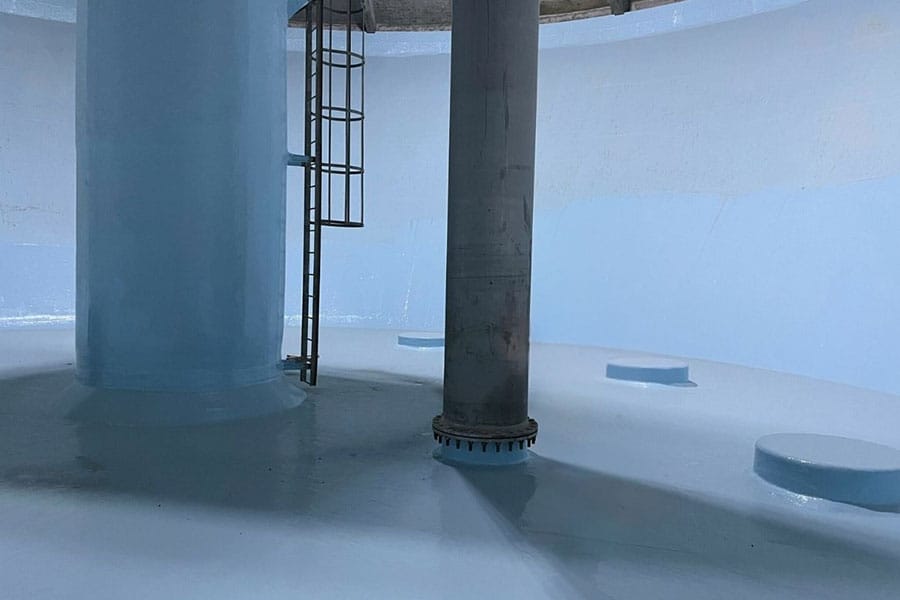
Water tank waterproofing is an important step in maintaining the integrity of water storage systems, ensuring they remain leak-proof, free from contamination and durable over time. Whether it is a residential, commercial or industrial water tank, proper insulation prevents water leaks, protects against environmental damage and preserves the quality of the stored water.
Importance of Water Tank Waterproofing
Preventing Water Leaks
Over time, cracks and small leaks can occur in water tanks due to wear and tear or structural problems. Waterproofing; It creates a strong, waterproof layer that seals the tank and prevents water from leaking out and being lost unnecessarily.
Protecting Structural Integrity
Water penetrates the structural materials of the tank and weakens it, causing corrosion, rust and deterioration. Waterproofing helps extend the life of the tank by protecting the structure from the harmful effects of water.
Protecting Water Quality
Without proper waterproofing, contaminants such as bacteria, dirt and chemicals can enter the tank and compromise the quality of the stored water. Waterproofing provides a barrier that keeps outside contaminants out, keeping the water clean and safe for consumption.
Preventing Mold and Algae Formation
Moisture accumulation in tanks creates an ideal environment for mold, algae and fungi to grow. Waterproofing not only stops leaks, but also prevents the growth of unwanted organisms by controlling moisture levels.
Cost Effectiveness
Fixing leaks and repairing water damaged tanks can be expensive. Proactively waterproofing your tank will help prevent these costly repairs and minimize the need for frequent maintenance.
Methods Used in Water Tank Waterpoofing
Cement Based Waterproofing
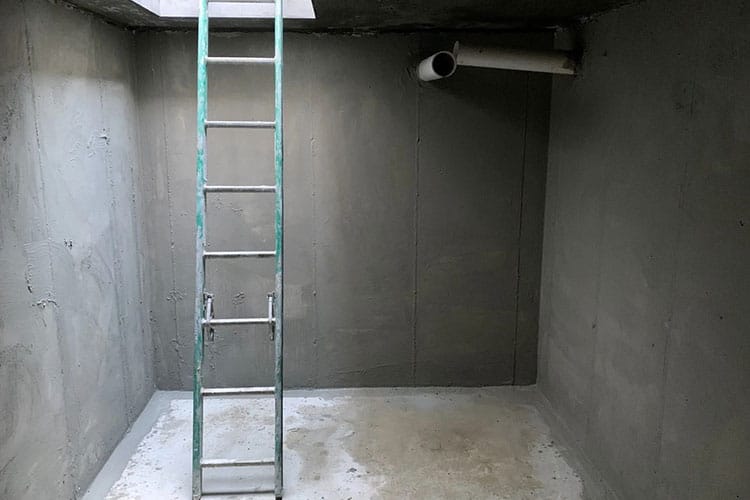 Cement-based waterproofing systems are generally used in concrete water tanks. They are easy to apply, long-lasting and create a strong barrier against water infiltration. Cement-based coatings penetrate the concrete and provide a waterproof surface by closing cracks and pores.
Epoxy Waterproofing
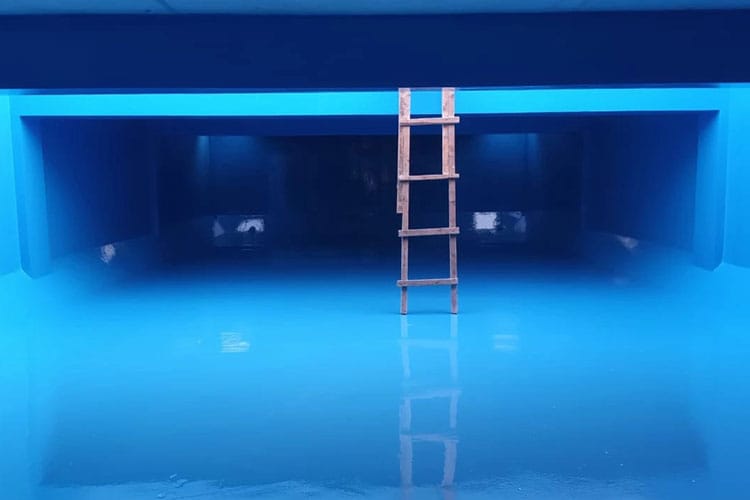 Epoxy coatings are ideal for both metal and concrete water tanks. They create a chemical resistant layer that is very effective at preventing leaks and resisting water pressure. Epoxy resin is also non-toxic and safe for drinking water storage.
Liquid Waterproofing Membranes
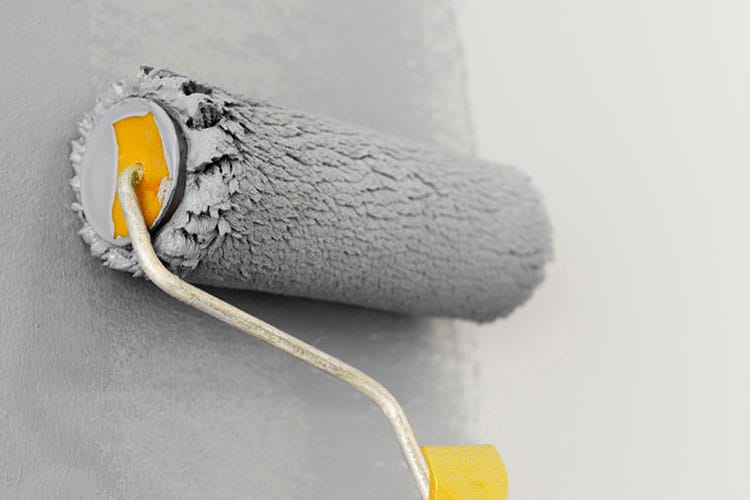 Liquid membranes, usually made of polyurethane or bitumen, are applied in liquid form and cure to form a flexible, seamless waterproof barrier. This type of waterproofing is particularly preferred in irregularly shaped bathtubs or areas with many seams and joints.
Polyurethane Waterproofing
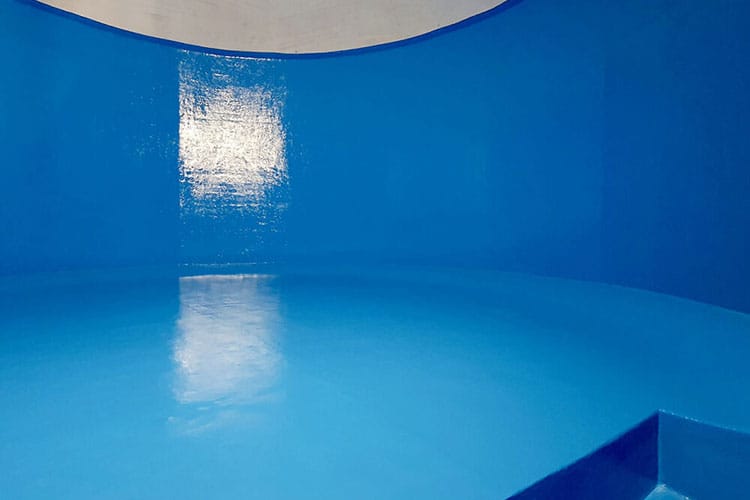 Polyurethane is a flexible waterproofing material that can be applied to various water tanks. It is resistant to chemicals, UV rays and water pressure and is a frequently preferred system in underground and aboveground water tanks.
Rubber Coatings
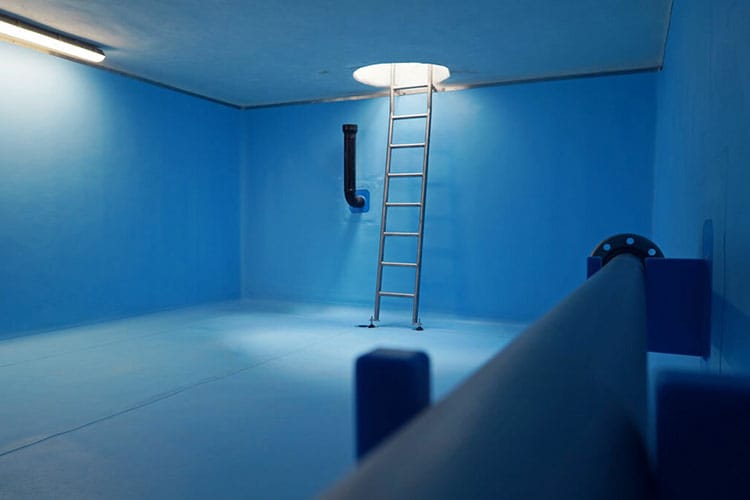 Rubber-based waterproofing systems provide excellent flexibility and durability. They are especially effective in preventing leaks in areas prone to movement, such as water tank joints and seams.
Waterproofing Process in Water Tanks
- Inspection and Surface Preparation
A thorough inspection of the water tank is performed to assess any existing damage, cracks or leaks. The surface of the tank is cleaned and prepared to ensure that it is free of dirt, rust or other debris that could affect the adhesion of the waterproofing material. - Crack Repair and Sealing
Any visible cracks or gaps are repaired using appropriate sealants or fillers. This step ensures that the waterproofing material has bonded properly and that all potential leak points are addressed. - Waterproofing Application
The selected waterproofing material (concrete coating, liquid membrane or epoxy resin) is applied to the interior and exterior surfaces of the tank. Multiple layers may be applied to provide maximum protection. - Curing and Final Inspection
After applying the waterproofing material, allow it to dry and harden. A final inspection is performed to ensure that the waterproofing is complete and the tank is completely leak-proof and ready for use.
Benefits of Water Tank Waterproofing
- Waterproofing prevents water leaks and seepage, ensuring efficient and economical operation of the tank.
- It significantly extends the life of your water storage system by protecting the tank from corrosion, rust and structural damage.
- Keeping contaminants out of the tank ensures that the stored water remains safe for consumption and free of contaminants.
- Waterproofing reduces the need for expensive repairs and eliminates the risk of water damage, saving you money in the long run.
- Effective waterproofing controls moisture levels and prevents the growth of mold, algae and other organisms that can degrade water quality.
Water tank insulation is an essential measure to maintain the structural integrity of the tank, ensure water quality and avoid costly repairs. Whether you are storing drinking water or using a tank for industrial purposes, a professionally installed water insulation system will give you peace of mind and long-term protection. Contact us today for a consultation or quote and let us protect your water storage system from potential damage!