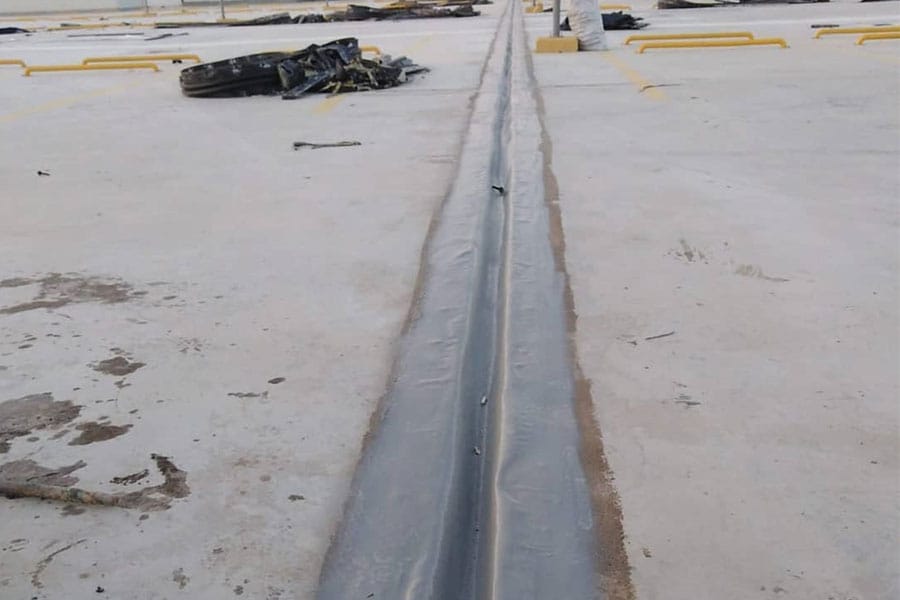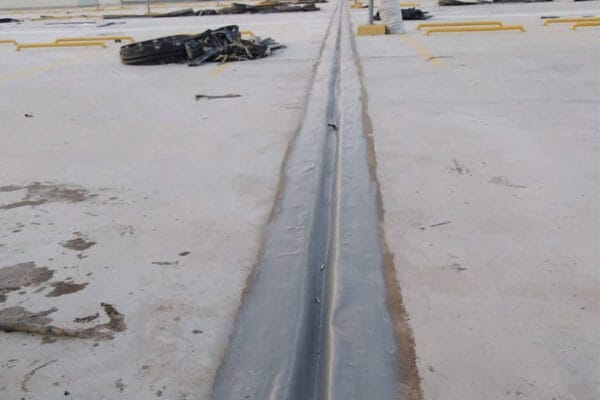
Expansion joints are important structural elements designed to minimize the effects of movement and expansion that may occur in large structures. However, these joints can create open areas that can allow water to escape. At this point, expansion insulation plays a key role in protecting structures from water and ensuring their longevity.
What is Dilatation and Why is it Necessary?
Buildings and other large structures constantly expand and contract due to temperature changes, settlement, vibrations and seismic movements. Expansion joints are spaces designed to prevent these movements from damaging the structure. These spaces allow the structural elements to move in a controlled manner and prevent damage to the structure. However, these joints become vulnerable to water leakage when exposed to direct external effects. This is where expansion insulation comes into play.
Importance of Expansion Joint Insulation
- Prevents Water Leakage
When expansion joints are left open, water can enter the structure from these areas and joints that are not waterproofed can cause serious damage over time. Insulation prevents leakage by making these connection points waterproof. - Increases Structural Durability
Water leaks can cause structural elements to weaken and rust over time. Expansion insulation protects the structure from the corrosive effects that water can create and extends the life of the structure. - Provides Comfort and Security
Water leaks can cause undesirable results such as mold, moisture, and corrosion in interior spaces. Insulated expansion joints provide both interior and exterior air tightness, providing a healthier and safer environment for building occupants. - Energy Efficiency
Proper insulation increases the energy efficiency of the building and minimizes heat losses caused by temperature changes. This saves on heating and cooling costs.
Expansion Joint Insulation Methods
Polyurethane Sealant Applications
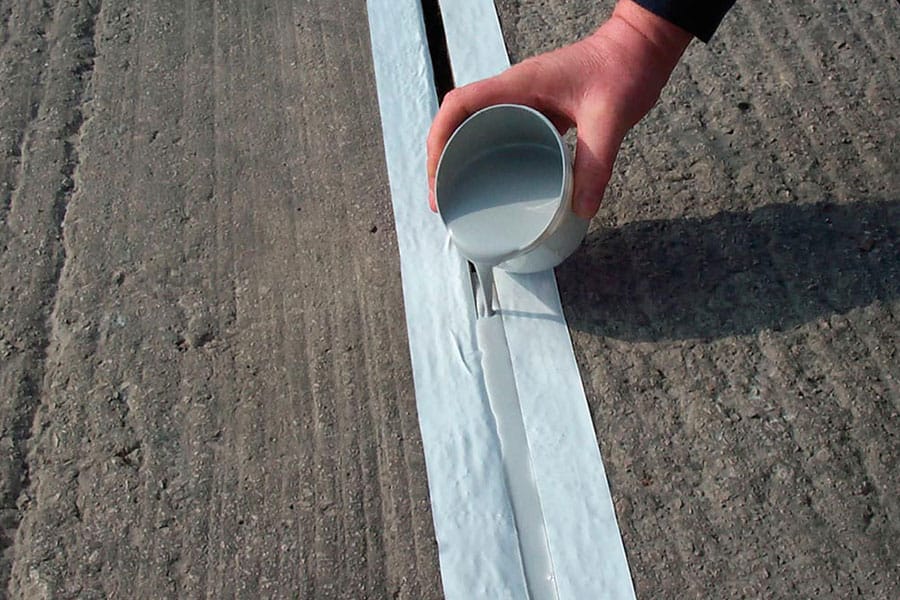 Polyurethane mastic is a flexible and durable insulation material frequently used to provide waterproofing of expansion joints. Polyurethane plaster offers ideal solutions for expansion joint insulation thanks to its ability to adapt to joint movements and its durable structure. This material, which is especially preferred to prevent water leakage between expanding and contracting structural elements, has high resistance to water, UV rays and chemicals.
Bentonite Based Insulation
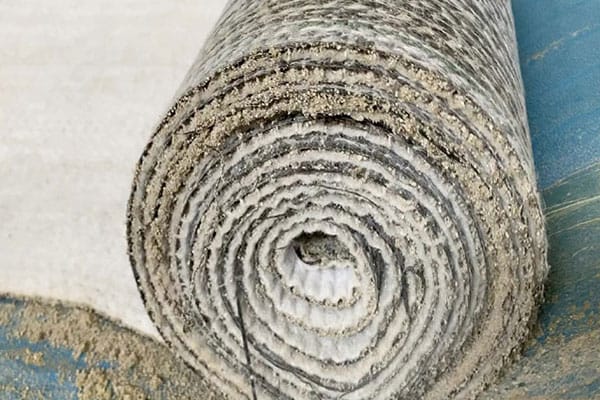 Bentonite-based insulation is a frequently preferred method for waterproofing building foundations and curtain walls. Bentonite is a natural clay mineral that swells when in contact with water and forms a waterproof barrier. Bentonite-based materials provide flexibility and waterproofness in the insulation of expansion joints, while offering an environmentally friendly solution.
Expansion Joint Tape
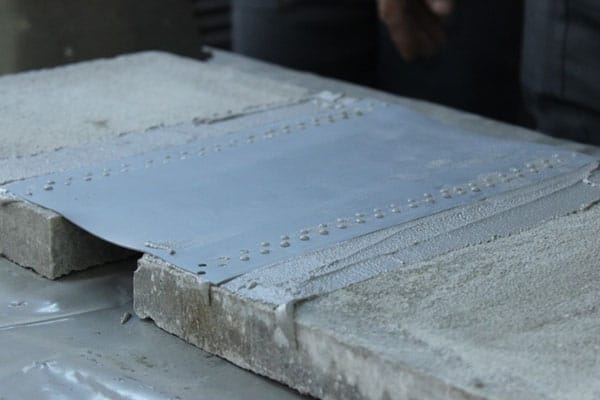 Expansion joint tape is an insulation product with high flexibility and durability, usually produced from elastomeric (rubber-based) or thermoplastic materials. These tapes are used by gluing or fixing them to expansion joints and create a waterproof barrier in the movement areas of structural elements. Expansion joint tapes, produced in different widths and thicknesses, are designed to adapt to various types of structures and joint widths.
PVC and EPDM Profiles
PVC and EPDM based waterproofing profiles prevent water leaks by providing flexibility in expansion and contraction joints. These types of profiles are especially suitable for large expansion joints and are durable.
Preparation and Inspection
Before insulation, the condition of the joints is carefully examined and the necessary cleaning procedures are carried out. If there is any damage or cracks, these areas are repaired first.
Selection of Insulation Material
A suitable insulation material is selected according to the type of structure, environmental conditions and joint movements. The material used in the insulation application is guaranteed to be flexible and waterproof.
Insulation Application
The selected insulation material is applied to the joint. Mastic, membrane or profile applications are carried out professionally and the joint is made completely waterproof.
Final Control and Tests
After the insulation process is completed, leakage tests are carried out on the joints to check that the application is done correctly.
Advantages of Expansion Joint Insulation
- Correctly applied dilatation insulation protects the structure from water leaks for many years and increases the durability of the structure.
- Thanks to insulation, the structure is protected from damage that may occur due to water leaks, reducing maintenance and repair costs.
- The insulation materials used adapt to the natural movements of the structure and guarantee continuous protection.
- Leak prevention eliminates the risk of moisture, mold and corrosion, providing safer, healthier living spaces.
What is a Dilatation Profile?
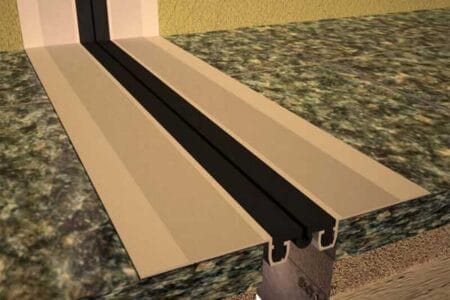
The space created between structures built side by side and independent of each other is called dilatation. These are spaces left to prevent damage that may occur due to different expansions and building movements. The profiles installed on these spaces are called dilatation profiles.
The use of dilatation profiles is extremely important for the coating. Expansion and contraction cause the base surface to move continuously. When laying coatings, there is a risk of cracking and breaking the coating due to differences in the expansion / contraction rates of the base and the surface. There are two types of dilatation profiles: narrow and wide base. When using both types, the base surface must have a dilatation joint and the coating dilatation on the same line. The flexible profile consists of a hard PVC or aluminum fixing arm and a soft PVC or rubber insert that prevents the surface movement of the coating. If the area to be covered exceeds 25 square meters, the use of dilatation profiles is highly recommended.
Due to the quality of EPDM rubber, the profile with EPDM rubber is resistant to higher temperatures and has a long life even when in contact with polar solvents, hot water and steam. The tensile strength and elasticity of the rubber are outstanding, so it can be used to achieve maximum water tightness and heat resistance.
How and Why is a Dilation Profile Installed?
The expansion profile is a profile that works with the building. There are different types such as aluminum and PVC. Different productions can be made as an alternative depending on the area to be used. The most important reason for the purpose of installing these profiles is to close the existing gap with a material that will not break or crack during movement and to ensure the continuity of water insulation.
The production of the expansion profile varies according to the selected profile. If it is an aluminum profile, it is screwed with a suitable screw after the parts where the profile will press on the facade are masticated. If there are gaps left next to the profile at the end of production, they are filled with a suitable material. If the preferred profile is mesh, when the mesh plaster is started to be applied, the profile mesh is glued to the facade with plaster and the mesh coming from the facade continues by overlapping the expansion profile mesh. In other words, each material has its own production. The important thing is to install the installed profile on its scale, gauge and without leaving any gaps.
Alternatively; After compressing the expansion gaps that are not too wide with wick, a construction chemical, usually called expansion joint, can be applied on top. In this production, it is very important to apply the applied material without any gaps so that water does not enter the dilatation gap. If stainless screws are used while screwing the profiles, we eliminate both the problem of rust leaking onto the facade in the future and the problem of the screws rusting and breaking or giving up.
Expansion joint insulation is one of the most critical components of waterproofing in large structures. In addition to preventing water leaks, it also increases the durability and longevity of the structure. Contact us for the most suitable expansion joint insulation solutions for your structure. Let’s ensure the waterproofing of your structure and secure it in the long term!