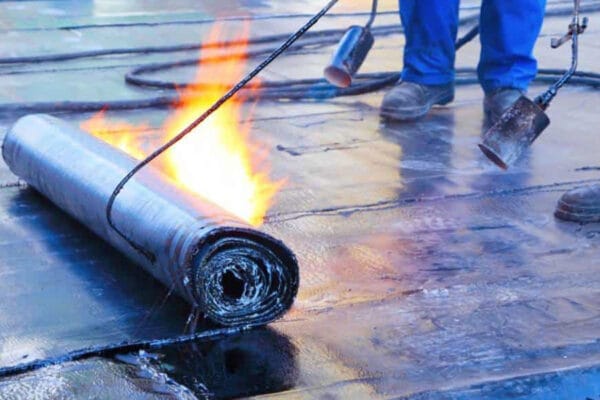
Membrane coating is a flexible, durable, waterproof insulation material used to protect structures from water, moisture and other external factors. It is mainly applied on the foundations, roofs, terraces and other surfaces in contact with water. Membrane guarantees waterproofing and increases the resistance of the structure against external factors. Membranes are usually made of polymers, bitumen or synthetic materials and vary according to different application areas.
Membrane coating, which is one of the most used insulation methods to ensure the longevity of buildings and protection from water leaks, prevents water from penetrating the structure by covering the surfaces. Thanks to its flexible structure, it is resistant to cracking and plays an important role especially in the protection of mobile structural elements.
Membrane Coating Types
Membrane coatings are divided into different types according to their production materials and application areas. The most commonly used membrane types are:
1. Bituminous Membrane
Bituminous membrane is a flexible, waterproof material produced from petroleum-derived bitumen. It is generally preferred for the insulation of building foundations, roofs and terraces. Bituminous membranes are applied in multiple layers, completely covering the surface and providing effective protection against water.
- SBS (Styrene Butadiene Styrene) Additive Membrane: It is a type of membrane that maintains its flexibility in cold weather conditions and does not crack. It is preferred in roofs and attics thanks to its elastic structure.
- APP (Atactic Polypropylene) Additive Membrane: Resistant to hot weather conditions and frequently used on terraces and exterior facades.
2. PVC Membrane
PVC (Polyvinyl Chloride) membranes are produced from flexible and durable synthetic materials. Since they are resistant to UV rays and chemicals, they are widely used in terraces, roofs and industrial structures that require waterproofing. In addition, PVC membranes are environmentally friendly and recyclable.
3. EPDM Membrane
EPDM (Ethylene Propylene Diene Monomer) membrane is a rubber-based material with high flexibility and durability. It does not lose its performance in both cold and hot weather conditions and provides long-lasting insulation. It is generally preferred in the insulation of water tanks, ponds, roofs and large surfaces.
4. TPO Membrane
TPO (Thermoplastic Polyolefin) membrane is an environmentally friendly material with high resistance to UV rays. Thanks to its chemical resistance and flexibility, it can be used on large surfaces and surfaces exposed to the sun. Preferred for roofs, terraces and industrial areas, TPO membranes offer a durable, low-maintenance solution.
Application Areas
Membrane coating has a wide range of applications. It is frequently preferred in the following areas:
- Roof Waterproofing
Roofs are one of the structural elements most exposed to water and external factors. Membrane coating ensures water tightness on roofs and extends the life of the roof. It prevents water accumulation and damage to the structure, especially on flat roofs. - Terraces and Balconies
Membrane coating, which is used to prevent water from damaging the surface in open areas, guarantees waterproofness of terraces and balconies without damaging their aesthetic appearance. - Foundation Insulation
The membrane coating used in building foundations prevents groundwater and moisture from damaging the foundation. In this way, the building is protected from the foundations. - Water Tanks and Pools
Areas that are constantly in contact with water should be protected from water leaks. It provides long-lasting insulation by preventing water from damaging the concrete building material. - Tunnels and Metro Systems
Membrane coating applications are common to protect underground transportation systems from water and moisture. In this way, water tightness is guaranteed in tunnels and underground lines.
Membrane Coating Application
Membrane lining application provides effective and long-lasting insulation when the correct steps are followed. The application process generally consists of the following stages:
- Surface Preparation
The surface on which the membrane coating will be applied must be clean, dry and smooth. Repair cracks and surface irregularities if necessary. - Membrane Selection
The appropriate membrane type is selected according to the characteristics of the area to be applied. For example, flexible, UV-resistant membranes are preferred for roof insulation, while thicker, more durable membranes are used for foundation insulation. - Application Method
The membrane coating is laid on the surface in rolls or sheets and adhered with appropriate techniques. The membranes are joined using hot air welding machines or welding machines, thus preventing water leakage from the joints. - Control and Maintenance
After application, check that the membrane coating is applied correctly and check the joints if necessary. Periodic maintenance may be required if the membrane wears out or becomes damaged over time.
Membrane coating is one of the most reliable and effective methods of protecting structures from water, moisture and other external factors. Various membrane types offer solutions according to different needs and application areas, while also contributing to the longevity of structures with their features such as flexibility, durability and waterproofing. When applied professionally, membrane coating provides superior protection in every area from the foundation to the roof of the building.