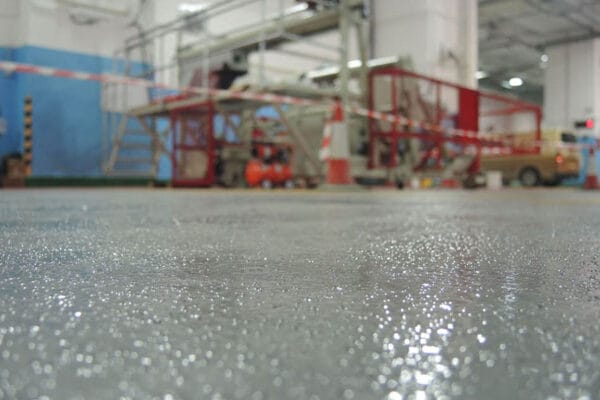
Epoxy ESD flooring is a special flooring system used to prevent static electricity discharge (ESD) in areas where electronic components are manufactured, packaged or stored. This type of flooring prevents the formation of static electricity and ensures that the resulting static charges are safely dissipated. It is widely preferred in sectors with sensitive production processes such as electronics, automotive, pharmaceutical and telecommunications.
Epoxy ESD floorings provide an excellent solution for commercial and industrial areas by preventing the risks caused by static electricity and providing high durability, chemical resistance and long-lasting floors.
What is Epoxy ESD Flooring?
Epoxy ESD Floorings is an epoxy flooring system formulated with special conductive materials to prevent the accumulation of static electricity on the floor. These coatings safely conduct static charges that may occur on the floor to the floor, minimizing damage and fire risks that may arise from static electricity.
Electronic cards, semiconductors, microchips and sensitive equipment can be seriously damaged by static electricity. For this reason, ESD floorings are of great importance in providing safe working environments in such areas. ESD floorings are created using anti-static epoxy resins and conductive materials.
Advantages of Epoxy ESD Flooring
Epoxy ESD flooring offers a number of benefits beyond static electricity control. The most prominent benefits of these coatings include:
1. Static Electricity Control
Epoxy ESD floorings protect sensitive electronic devices by safely conducting static electric charges that may occur on the floor. In this way, malfunctions and data loss that may occur in electronic production processes are prevented.
2. High Chemical Resistance
Epoxy ESD floorings are resistant to chemicals. These floorings are ideal for industrial environments as they are resistant to chemical leaks and corrosive substances.
3. Abrasion Resistance
In industrial and commercial environments, floors are exposed to heavy loads, abrasion, wear and constant traffic. ESD epoxy floorings are highly resistant to such corrosive effects and offer long-lasting use.
4. Easy Cleaning and Maintenance
Epoxy floorings provide a smooth, flat surface, making it difficult for dirt, oil and other substances to stick to the floor. Cleaning processes are simple and therefore maintenance costs are low.
5. Aesthetic and Professional Appearance
Epoxy floorings offer a bright and aesthetic appearance. It gives a professional look to installations with multiple color and pattern options.
6. Long-Lasting Use
When applied correctly, ESD epoxy floorings provide a durable, long-lasting solution. Thanks to their high performance, they can be used for years without requiring maintenance.
How is Epoxy ESD Flooring Applied?
Epoxy ESD flooring application should be done by a professional team. It is very important that the application is done with the right steps in order to ensure static electricity control. The general application stages of this flooring are as follows:
1. Surface Preparation
Ground preparation is the most critical step in epoxy flooring application. All dirt, oil and old flooring traces on the surface to be applied should be cleaned. You need to make sure that the surface is flat and smooth and repair cracks and gaps on the surface if necessary.
2. Primer Coat Application
After surface preparation, a coat of primer is applied to the floor. This primer allows the epoxy resin to adhere better to the surface and fills the pores of the floor to create a smooth flooring base.
3. Conductive Layer Application
The most important step in ESD floorings is the application of the conductive layer. This layer provides the necessary conductivity to transmit static charges that may occur in the soil to the ground. It is typically made of carbon-based conductive materials.
4. Epoxy ESD Flooring Application
An ESD epoxy flooring is applied on the conductive layer. This flooring provides antistatic properties to the floor as well as resistance to abrasion, chemicals and impacts. The flooring is usually applied in several layers.
5. Finishing and Protection
After the flooring process is completed, a final protective layer can be applied to the surface. This layer ensures the longevity of the floor and preserves its aesthetic appearance.
Usage Areas of Epoxy ESD Flooring
ESD epoxy floorings are mostly used in areas where static electricity discharges pose a risk. Here are some sectors and application areas where these floorings are widely preferred:
1. Electronics Manufacturing Facilities
Static electricity poses a significant risk in facilities where electronic circuits and microchips are manufactured. ESD floorings provide safe working conditions in these areas and prevent damage to electronic components.
2. Telecommunications Industry
ESD control is extremely important in areas where telecommunications equipment is manufactured and tested. These floor coverings ensure the safety of sensitive devices.
3. Automotive Industry
Static electricity control is especially required during the assembly of electronic parts in the automotive sector. ESD floor coverings are widely used in these production processes.
4. Hospitals and Laboratories
ESD floor coverings are used in areas where medical devices are located to prevent problems that may arise from static electricity. They are also resistant to chemicals and abrasive substances in laboratories.
5. Clean Rooms
Clean rooms are areas where particles in the air are minimized and are frequently used in the electronics, pharmaceutical and biotechnology industries. ESD floor coverings are preferred to prevent static electricity formation in these areas.
Maintenance of Epoxy ESD Flooring
Epoxy ESD floorings, although durable and long-lasting, require regular maintenance. Regular cleaning and proper care will extend the performance and life of the flooring.
- Periodic Cleaning
Dirt and dust accumulation can negatively affect the conductivity of the flooring. You can maintain the performance of your floor by performing periodic cleaning. - Avoiding Chemicals
Although epoxy flooring is resistant to chemicals, the use of overly aggressive cleaning materials should be avoided. - Protection from Overloads
Care should be taken when placing extremely heavy equipment on the floor. Overloads can cause scratching or damage to the floor.
ESD epoxy floors are the preferred flooring solution in areas where static electricity needs to be controlled, especially in electronic production facilities, clean rooms, laboratories and areas where sensitive devices are located. Due to their durability, resistance to chemicals and long-term use, these floorings increase safety and preserve the aesthetic appearance of the floors for many years. When applied correctly, they offer businesses a professional, reliable and maintenance-free flooring solution.