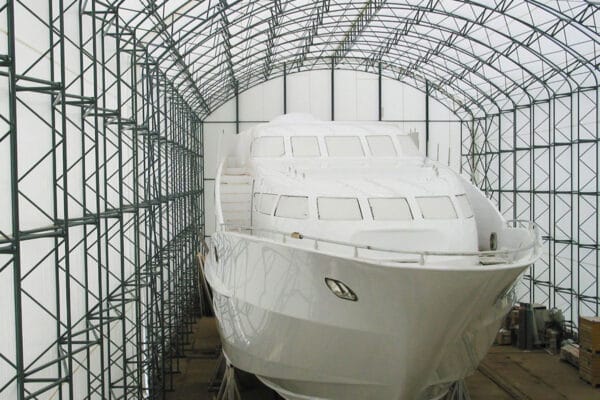
Boat insulation is an important aspect of boat ownership and operation. Proper insulation helps regulate temperature, reduce noise levels, and prevent moisture buildup. There are several types of insulation, each with their own advantages and disadvantages. By following installation and maintenance tips, boat owners can ensure that the insulation functions as intended, providing a comfortable and enjoyable boating experience.
Why Is Boat Insulation Important?
Boats are exposed to a variety of environmental factors, including temperature, humidity and noise, that can affect their performance. Proper insulation helps regulate the temperature inside the boat, reducing the need for heating and cooling systems. It also helps prevent moisture buildup, which can lead to mold and damage to the boat’s interior. Insulation also helps reduce noise levels inside the boat, providing a more comfortable and enjoyable experience for passengers.
Types of Boat Insulation
There are several types of insulation materials available for boats, each with their own benefits and drawbacks. Here are some of the most common options:
1. Fiberglass
Fiberglass insulation is a popular choice for boats because it is lightweight, easy to install, and provides excellent thermal insulation. However, it can be difficult to work with, and exposure to fiberglass fibers can cause irritation and respiratory problems.
2. Spray Foam
Spray foam insulation is a highly effective option for boats because it can be sprayed into tight spaces and conforms to the contours of the boat. It also provides excellent thermal insulation and helps reduce noise levels. However, it can be expensive and difficult to remove when necessary.
3. Closed Cell Foam
Closed cell foam insulation is a dense foam that provides excellent thermal insulation and helps prevent moisture buildup. It is also lightweight and easy to install. However, it can be expensive and not as effective at reducing noise levels as other options.
4. Reflective Foil
Reflective foil insulation is a thin, lightweight option that reflects heat and reduces radiant heat transfer. It is easy to install and can be an effective addition to other types of insulation. However, it is not as effective as other options alone.
Installation and Maintenance Tips
Proper installation and maintenance of boat insulation is essential to ensure it performs as intended. Here are some tips to help:
- Follow the manufacturer’s instructions for installation and wear protective clothing if necessary.
- Regularly inspect the insulation for signs of damage, such as moisture accumulation or tears in the material.
- Repair any damage immediately to prevent further problems.
- Install additionally in areas of the boat that are particularly sensitive to temperature or noise fluctuations.
- Ventilate the boat well to prevent moisture accumulation.