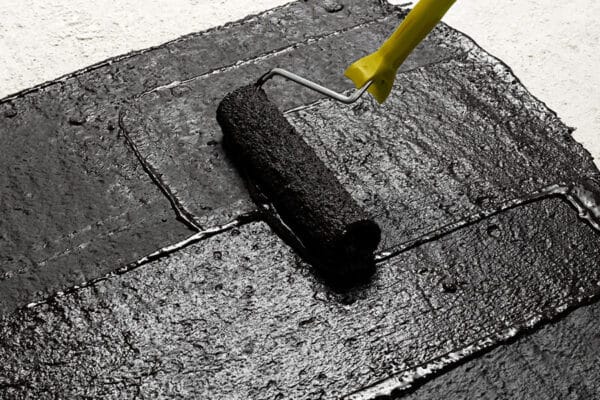
Bitumen based waterproofing is one of the oldest and most effective methods of protecting structures from water. Bitumen is a hydrocarbon material with high water resistance, obtained naturally after processing petroleum. Due to these properties, bitumen is frequently preferred in waterproofing applications. It is used to guarantee water tightness in many areas from roofs to foundation insulation, from tunnels to terraces.
What is Bitumen Based Waterproofing?
Bitumen-based waterproofing is a waterproofing method that uses bituminous materials, usually obtained from petroleum refining. Bitumen is an ideal material that meets water sealing requirements due to its high water repellency, flexible structure and durability. Bitumen is not only water-resistant but also resistant to chemicals, and therefore offers a long-lasting insulation solution.
Bitumen-based insulation products are generally used in two ways:
- Application Based Bitumen Waterproofing: Liquid bituminous materials are applied to the surface using a brush, roller or spray method.
- Membrane Based Bitumen Waterproofing: Bitumen containing waterproofing membranes are placed on the surface and bonded using the heating method.
Bitumen-based waterproofing materials adapt to the movements of structures thanks to their high elasticity, thus minimizing the risk of cracking or deformation.
Advantages of Bitumen Based Waterproofing
Bitumen-based waterproofing is widely used in waterproofing projects due to its durability and versatility. The main advantages of bitumen-based insulation are:
1. High Waterproofing
Bitumen-based insulation materials offer excellent performance in terms of waterproofing. When applied to structures, it prevents water from penetrating the structure by creating a waterproof barrier on the surface.
2. Flexibility and Mobility
Bitumen is resistant to expansion and contraction caused by temperature changes thanks to its elastic structure. This flexibility ensures that structures maintain their impermeability, especially against ground movements.
3. Resistance to Chemicals
Bitumen is resistant to chemicals and water. For this reason, it is ideal to use bituminous waterproofing on surfaces that may be exposed to chemical substances. Bituminous coating offers an effective solution especially in areas where underground waters threaten the structure due to their chemical content.
4. Long-Lasting Insulation
Bituminous waterproofing protects structures from water for many years if applied correctly. It also reduces maintenance costs thanks to its durability and resistance to external factors.
5. Applicability on Different Surfaces
Bituminous materials provide excellent adhesion to various structural elements such as concrete, metal and wood. Therefore, it can be used in many different types of structures.
6. Combination with Thermal Insulation
Bituminous waterproofing can be easily integrated with thermal insulation materials. In this way, both waterproofing and thermal insulation needs can be solved with a single system.
7. Resistance to UV Rays
Some bitumen-based materials are resistant to UV rays and thanks to this feature, they continue to work for a long time without deterioration when used outdoors or in areas exposed to direct sunlight.
Bitumen Based Waterproofing Types
Bitumen-based waterproofing materials vary according to different application areas and needs. The most commonly used bitumen waterproofing types are:
1. Sliding Based Bitumen Insulation
Application-based bituminous insulation is applied by applying liquid bituminous material to the surface. Applied with a brush, roller or spray, these materials create a thin and flexible layer on the ground, ensuring waterproofing. It is generally preferred in foundation insulation, basement insulation and floor insulation.
2. Bituminous Membrane
Bituminous membranes are one of the most commonly used materials in waterproofing. Sold in roll form, these materials are applied by placing them on the ground or wall. They are fixed to the surface using the thermal bonding method. They offer an effective solution especially in roof, terrace and exterior waterproofing.
3. Modified Bitumen (SBS and APP)
Bituminous materials modified with SBS (Styrene-Butadiene-Styrene) and APP (Atactic Polypropylene) have more durable and flexible properties than traditional bitumen. While SBS modified bitumens maintain their flexibility in cold weather conditions, APP modified bitumens are more durable in hot weather conditions.
4. Self-Adhesive Bitumen Membrane
This type of bitumen-based membrane does not require heating during application. It adheres directly to the surface thanks to the adhesive layer underneath. It is quick and easy to use, so it is preferred in small projects and low-sloping roofs.
Application Areas of Bitumen Based Waterproofing
Bitumen-based waterproofing materials can be used to protect against water leaks in many different industries. The main application areas of bitumen waterproofing are:
1. Roofs
Bitumen-based membranes are widely used on flat and sloped roofs to prevent water from penetrating the structure. The flexibility and durability of the membranes provide significant advantages, especially in the waterproofing of large surfaces.
2. Foundations and Basements
Building foundations must be protected from the threat of groundwater and moisture. Bitumen waterproofing is applied to the outer surfaces of the foundation walls to prevent water from penetrating the structure. This type of insulation is also effective in underground environments such as basements.
3. Terraces and Balconies
Terraces and balconies are open areas exposed to rainwater and other external factors. Bitumen waterproofing systems are frequently preferred to meet the waterproofing needs of such open areas.
4. Water Tanks and Pools
Bitumen-based waterproofing is used to meet the waterproofing needs of structures that are constantly in contact with water, such as water tanks, cisterns, and swimming pools.
5. Tunnels and Bridges
Bitumen-based waterproofing is preferred in infrastructure projects to ensure that tunnels and bridges are durable and long-lasting. Protecting such large structures from water is important in terms of preserving structural integrity.
How to Apply Bitumen Based Waterproofing?
Correct application of bituminous waterproofing requires careful preparation of the surface and compliance with the correct application stages. The basic stages of bituminous waterproofing application are detailed below:
1. Surface Preparation
The surface to be applied must be clean, dry and smooth. Dust, oil, dirt and loose particles must be removed from the surface. If there are cracks or deformations on the surface, they must be repaired. A smooth surface ensures that the bitumen-based material has a long life.
2. Primer Application
A primer layer is applied for the bitumen-based waterproofing material to adhere well to the ground. The primer creates a strong bond between the insulation material and the surface and increases adhesion.
3. Application of Spreading or Membrane
Spreading-based bituminous materials are applied to the surface with a brush, roller or spray in multiple layers. In membrane applications, bituminous membranes are placed on the surface and fixed with heat bonding. During this process, you must make sure that the joints overlap correctly.
4. Drying of Layers
It is necessary to wait for the applied layers to dry completely. This drying period usually depends on the weather conditions and the thickness of the application. The complete drying of each layer is important for the effectiveness of the insulation.
Bitumen-based waterproofing is one of the most reliable methods of protecting structures from water due to its high durability, water resistance and versatility. This system, which has a wide range of applications from roofs to foundations, terraces to basements, guarantees long-term waterproofing. Bitumen-based insulation materials are an indispensable solution for both residential and large infrastructure projects thanks to their flexible structure and resistance to chemicals.