Terrace waterproofing is essential to protect your outdoor spaces from water damage, leaks and structural deterioration. By implementing advanced waterproofing solutions, we prevent water leaks that can lead to cracks, mold growth and structural weakening. This not only extends the life of your deck, but also increases its durability and aesthetic appeal. Proper waterproofing methods, such as membrane systems and liquid-applied membranes, will ensure that your terrace is a dry and enjoyable space in all weather conditions. Investing in quality waterproofing will ensure protection for years to come.
The Importance of Terrace Waterproofing
Terraces are exposed to significant amounts of water, especially when it rains. Without proper waterproofing, water can penetrate concrete or tile floors, causing cracks, structural weakening and potential leaks in living spaces below. The main reasons to waterproof your terrace are:
Prevents Water Damage
Water leaks can cause unsightly stains, bubbles, and damage to the underlying structure.
Prevents Mold and Moisture
Moist conditions create the perfect environment for mold and mildew to grow, which not only impacts aesthetics but can also pose health risks.
Increases Durability
A properly waterproofed deck will last for decades without the need for ongoing repairs.
Increases Property Value
Well-maintained outdoor areas add value to your home, and waterproofing plays a key role in keeping these areas in top condition.
Waterproofing Methods Used on Terraces
There are different waterproofing methods available depending on the specific needs of your terrace. The most commonly used methods are:
1. Bituminous Membranes
 Bituminous membranes are one of the most commonly used materials for waterproofing terraces. These membranes are made of bitumen, a black, sticky substance obtained from crude oil and known for its excellent waterproofing properties. They are applied either manually or hot like a sheet, creating a durable barrier that prevents the passage of water.
2. Liquid Waterproofing Membranes
 Liquid waterproofing is the application of a liquid coating that dries to form a seamless, rubber-like layer. This method is very effective for floors with uneven surfaces, as it can easily fill gaps and protrusions that other materials may miss. It is flexible, crack-resistant and can be applied in multiple coats for added protection.
3. Polyurethane Waterproofing
 Polyurethane-based waterproofing has high elasticity and resistance to extreme temperature changes. Since it is generally used on surfaces that expand and contract due to weather conditions, it makes polyurethane systems ideal for floor covering. When applied, polyurethane creates a seamless membrane that prevents moisture from entering.
4. Cement Based Waterproofing
 This method uses a mixture of cement and waterproofing additives to create a coating that is applied directly to the surface. It is a relatively simple and economical solution that is widely used in both residential and commercial applications. However, it is not as flexible as other options, so it is best suited to yards that are not subject to frequent movement or expansion.
5. EPDM Rubber
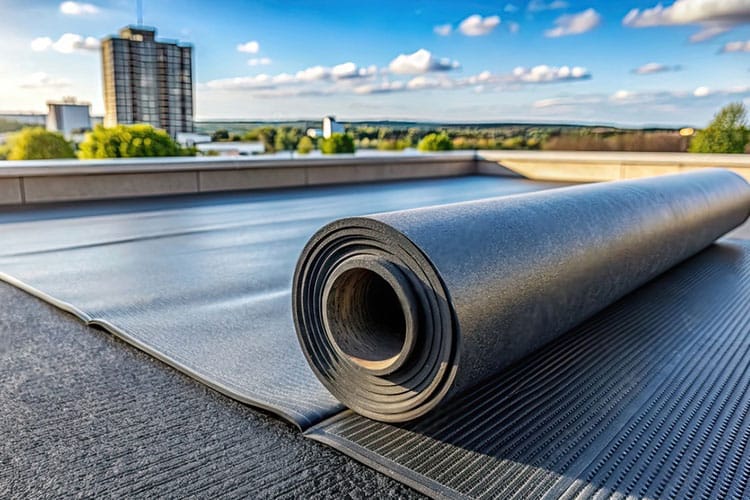 EPDM (Ethylene Propylene Diene Monomer) is a synthetic rubber material that provides excellent waterproofing for terraces. It is resistant to UV rays and harsh weather conditions. EPDM rubber sheets are placed on the deck surface to create a durable, waterproof barrier that can last for decades.
Application Steps for Terrace Waterproofing
The basic steps to ensuring effective waterproofing are:
- Surface Preparation
The terrace surface is thoroughly cleaned. Dust, debris or previous coatings that will prevent the adhesion of the waterproofing material to be applied are cleaned. If there are cracks or gaps on the surface, a suitable repair material is used to fill it. - Priming
A primer is applied beforehand to ensure that the waterproofing material adapts to the surface to be applied. Primers also help seal the surface and provide an extra layer of protection. - Application of the Waterproofing Layer
According to the type of waterproofing that is suitable (bituminous, liquid membrane, etc.), the waterproofing material will be applied evenly to the surface. Corners, joints and edges, which are the areas most prone to leakage, are sufficiently sealed. - Final Coat or Flooring
After the waterproofing layer is applied, it can be left as is or covered with materials such as tiles, flooring, artificial grass, etc. according to your design preferences.
Mistakes That Cause Failure in Terrace Waterproofing
Improper Surface Preparation
If the surface is not properly cleaned and prepared, the waterproofing material will not be able to adhere to the surface properly and will cause premature failure.
Ignoring Cracks
Small cracks may seem insignificant, but they quickly become water entry points, weakening the entire waterproofing system.
Improper Material Selection
Not every waterproofing material is suitable for every terrace. The correct waterproofing material should be selected according to the climate and the structure of the terrace.
Inconsistent Application Between Layers
Applying waterproofing layers that are too thin or uneven will create weak points through which water can penetrate.
Terrace waterproofing is a critical aspect of maintaining the longevity and integrity of your outdoor spaces. By choosing the right waterproofing method and ensuring proper application, we protect your terrace from water damage, mold, and structural problems. Investing in high-quality waterproofing solutions will save you from expensive repairs in the future.
Whether you want to prevent future problems or fix an existing one, we are here to provide reliable and professional waterproofing services. Contact us today to schedule a consultation or get a quote!