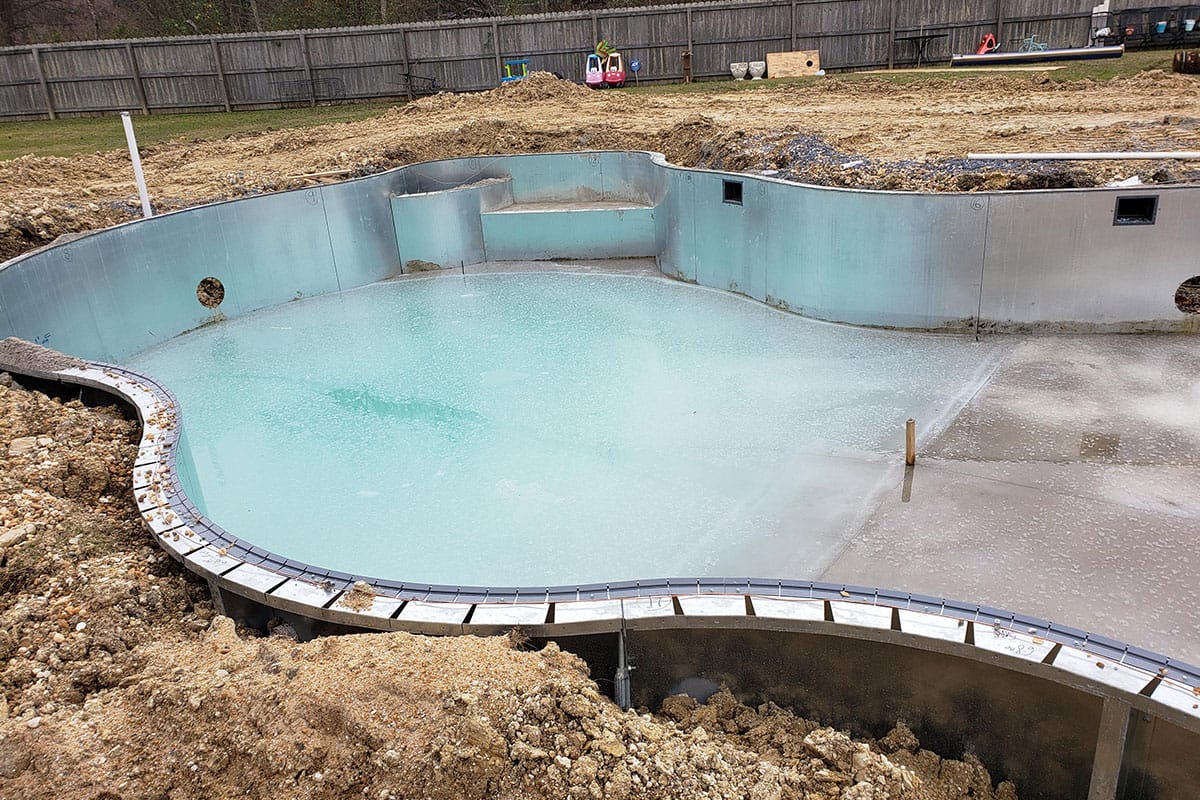
Pool construction is a process that requires detailed planning and correct implementation to create an aesthetic and functional structure. Both technical and design elements should be taken into consideration when building a pool. Whether it is a small swimming pool for personal use or a large swimming complex for commercial purposes, the durability, water tightness and ease of use of the pool are of great importance.
Pool Construction Stages
Pool construction is a process that progresses step by step with proper planning. Each of these stages is of great importance for the success of the project.
1. Planning and Design
The first and most critical stage of pool construction is the planning and design process. At this stage, the following elements are taken into consideration:
- Pool Size and Shape
The size of the pool should be determined by its geometric shape and intended use. For example, a small garden pool or an Olympic-sized pool may be preferred. - Site Selection
The pool’s location depends on factors such as ground structure, sunlight exposure, and surrounding vegetation. - Pool Type
Whether the pool will be underground or above ground should be determined. In addition, the pool should be selected from reinforced concrete, prefabricated, or fiber pool options. - Additional Features
Additional elements such as pool stairs, underwater lighting systems, waterfalls, or water jets are determined during the design phase.
2. Excavation and Foundation Preparation
Once the planning is complete, the area selected for the pool is excavated. The following points should be taken into consideration during the excavation process:
- Ground Condition
Depending on the structure of the ground, the excavation depth and width are adjusted. An area with rocks, soft soil or close to water may affect the excavation process. - Drainage System
A drainage system should be installed around the pool during excavation to drain water. This prevents rainwater from entering the pool and prevents water accumulation in the surrounding area.
3. Reinforced Concrete and Iron Reinforcement Operations
One of the most important structural elements that make the pool durable is reinforced concrete. The reinforced concrete structure, reinforced with iron reinforcement, ensures that the pool is resistant to water pressure and external factors.
- Iron Reinforcement
Iron bars are placed and connected from the foundation of the pool. This reinforcement provides the structural integrity of the pool. - Concrete Pouring
Specially mixed durable concrete is poured on the reinforcement. The concrete is spread and compacted well on the surface.
4. Waterproofing
After the concrete is poured, waterproofing, one of the most important elements of the pool, is applied. Waterproofing ensures the longevity of the pool and prevents water leaks caused by cracks.
- Membrane Coating: The inside of the pool is coated using PVC or bitumen-based waterproofing membranes.
- Crystalline Waterproofing: Special materials are used that crystallize inside the concrete and fill the micro-cavities, providing waterproofing.
5. Pool Plumbing Systems
Plumbing systems are installed for filling, emptying, cleaning and circulating the pool water. These systems are vital for the functional operation of the pool.
- Filtration System: Sand or cartridge filter systems are used to continuously clean the water.
- Pump and Pipelines: Pumps and pipelines are installed to ensure the circulation of pool water. These systems play a critical role in draining, filling and controlling water temperature.
- Lighting and Electrical Installation: Underwater lighting systems and lighting around the pool are installed. Electrical installations must be insulated to prevent contact with water.
6. Coating and Finishing
After all technical processes are completed, the interior and exterior surfaces of the pool are coated. This coating contributes to both aesthetic appearance and waterproofing.
- Ceramic or Mosaic Coating: The inside of the pool is usually covered with ceramic or glass mosaic coating. This coating keeps the pool hygienic and clean.
- Epoxy or Polyurethane Coating: In some projects, epoxy or polyurethane coatings may be preferred to obtain durable and aesthetic surfaces.
7. Pool Filling and Testing Phase
After the pool construction is completed, the systems are tested by filling it with water. Plumbing, filtration and water tightness tests are performed. If there are any leaks or functional problems, they are detected and corrected at this stage.
Materials Used in Pool Construction
- Concrete: Concrete, which is the basic element of the pool structure, provides durability by being used together with iron reinforcement.
- Iron Reinforcement: Steel reinforcement used to increase the strength of concrete provides structural integrity.
- Waterproofing Materials: Membranes, crystalline insulation products and liquid insulation materials provide water resistance.
- Coating Materials: Materials such as ceramics, glass mosaic, epoxy or polyurethane are used in pool interior coating.
- Plumbing Elements: Filtration systems, pumps, pipes and valves provide water circulation in the pool.
Things to Consider in Pool Construction
- Good planning according to the size, type and purpose of the pool provides great benefits in terms of cost and time.
- Water tightness is one of the most important issues in pool construction. Correct and complete insulation phase prevents future problems.
- Quality materials should be used for a long-lasting and durable pool.
- Pool construction should be done by an experienced team. Faulty construction can cause major problems in the future.
- After the pool is completed, regular maintenance should be done, the filtration system and water balance should be constantly checked.
Pool construction requires meticulous planning and implementation. With good design, the right material selection and professional application, a long-lasting, aesthetic and useful pool can be achieved. The right choices in stages such as waterproofing, plumbing systems and coating will increase the durability and safety of the pool.